Application of granules in the wire and cable industry
2 years ago | articles
PVC granules in the wire and cable industry

Polyvinic chloride, more commonly known as PVC, is an incredibly versatile polymer. Due to its ability to withstand a
 set of harsh environmental conditions,
 its durability and high flexibility have always been emphasized by the industrialists. So it is not surprising that PVC has
found its way in various industries
and its position is very special in the wire and cable industry.
Polyvinyl chloride, more commonly known as PVC, is a type of plastic that is formed into various shapes through
 heating and cooling processes.
 They can undergo additional processing and be prepared with unique properties, tailored to their end use.
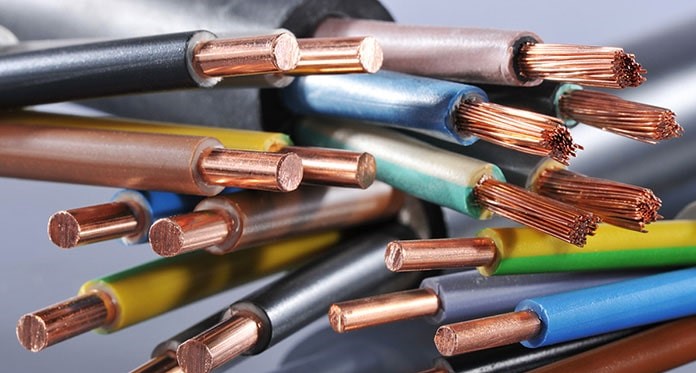
The wire and cable industry widely uses PVC granules to make insulation and coating materials.
 PVC offers excellent insulation properties and
protects wires and cables from external factors while also ensuring the safety of users. Additionally,
 its inherent flame retardant property adds an extra layer of security.
The use of PVC granules in the wire and cable industry:
PVC insulation offers an ideal balance of mechanical strength and flexibility. It can resist wear and
 withstand a wide range of temperatures.
 This makes wires and cables with PVC insulation an excellent choice for various applications.
From consumer electronics and
cars to heavy machinery and infrastructure.
The PVC granules used in the production of cables and wires undergo a process called extrusion.
Manufacturers heat the PVC granules until they are molten, then extrude the liquid PVC through a die,
forming a continuous layer over the surface of the wire or cable. They can create this process to adjust
 the thickness of the PVC layer, thus enabling precise customization to meet specific needs.
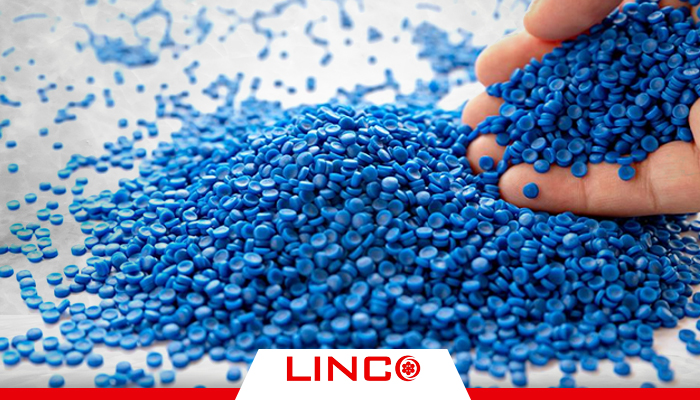
The advantages of using PVC granules in the wire and cable industry:
Versatility: PVC granules can be prepared to suit different applications. Manufacturers can manipulate
these PVC granules to be soft or hard,
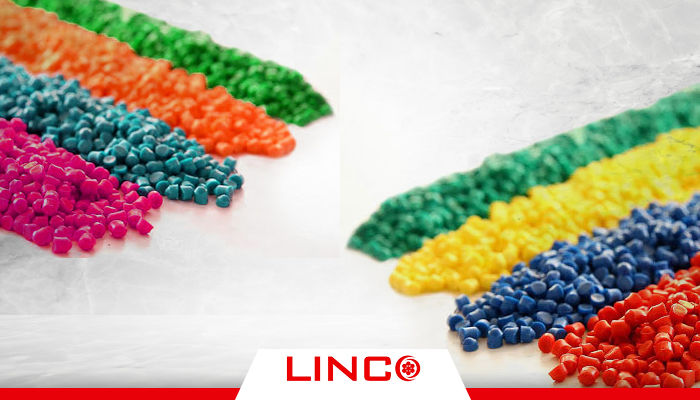
 colored or clear, and can give them many additional properties, such as UV resistance or fire resistance.
Durability: PVC is resistant to air, chemical decay, corrosion, impact and abrasion. This makes it an
 excellent choice for indoor and outdoor cables and wires.
Safety: PVC is naturally flame retardant due to chlorine. This makes it a safe option for situations
 where fire risk may be a problem. such as buildings and vehicles.
Cost-effectiveness: PVC has a relatively low cost compared to other insulation materials.
This, along with its long lifespan, makes it an affordable choice.
Green Outlook: Although PVC has been scrutinized for its environmental consequences,
the industry has made significant strides in recent years to address these issues.
 Efforts towards more sustainable practices include the development of eco-friendly
PVC and increased recycling initiatives. For example, manufacturers can grind used
PVC cables into granules and use them in the production of new cables.
 This practice reduces waste and reduces the demand for raw materials. In addition,
 companies are now more interested in the concept of "green cable".
The idea is to reduce the environmental footprint of cable production by minimizing the use of resources,
 eliminating hazardous materials and optimizing recycling capabilities.
And finally, that:
The use of PVC granules in the wire and cable industry is a proof of its versatility, durability and cost-effectiveness.
 Continuous innovations in the PVC industry aimed at reducing its environmental impact indicate that PVC
will remain an important player in the wire and cable industry. With the advent of the green cable concept
 and improved recycling initiatives, the future of PVC in this sector looks promising and sustainable.
Despite the challenges, PVC has managed to remain relevant and valuable to the wire and cable industry,
enabling transmission and connectivity across multiple sectors.
.
.
Click on the following article to get familiar with cable structure abbreviations.

Cable structure abbreviations
Comments
There are no results!
Related News
.jpeg)



Alborz Electric Noor Company (Linco) has a history of nearly two decades of professional activity in the field of producing all kinds of wires, all kinds of flexible cables, semi-dispersed, sector cables, welding cables, concentric and coaxial cables, smart KNX cables and ... and with a variety of more than 180 products and a production capacity of over 18,000 tons per year, Pardak continues its professional production.


All rights reserved for LINCO
